Manufacturers in the ready-to-drink (RTD) beverage space are competing on flavor and adapting to packaging demands that reflect shifting consumer habits. Three key trends, shelf-stable, sustainable, and single-serve, are coming together to reshape how beverages are processed and packaged. Here’s a closer look at each “S,” along with the data and insights driving change on today’s production lines.
1. Shelf-Stable
Consumers’ consistent demand for convenient, anytime-anywhere beverages is driving the shelf-stable RTD segment. The global shelf-stable RTD beverage market was valued at approximately US $120.7 billion in 2024, and is projected to grow at a CAGR of about 7.2% during 2025-2033.
For packaging and processing manufacturers, this trend translates into demand for aseptic filling, extended-shelf-life barrier packaging, and packaging formats suited for ambient distribution. The broader RTD packaging segment, which includes shelf-stable packaging, is projected to reach roughly US $125.1 billion in 2024 and is expected to grow at ~6.4% from 2025-2033.
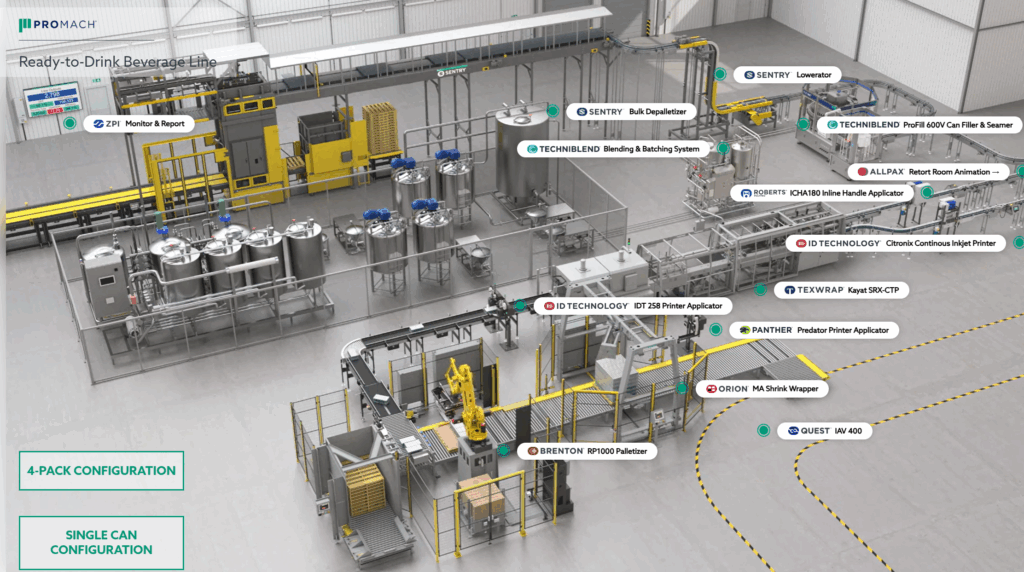
Processing implications include emphasizing materials and container formats with barrier properties that protect without refrigeration, and integrating packaging lines that must accommodate formats such as cans, cartons, and pouches for shelf-stable RTDs.
2. Sustainable
According to a 2025 sustainable-packaging report, trends include moving to paper-based packaging, bio-based materials, and smart recycling systems.
In the U.S., beverage packaging trends highlight increasing demand for recyclable and biodegradable formats, especially as on-the-go and single-serve formats increase.
Packaging/processing implications for RTD include:
- Manufacturers must adopt materials that align with recycled PET, paperboard cartons, and aluminum cans.
- Processing lines may need flexibility to handle lightweight containers, multiple materials, and potentially higher scrutiny on recyclability and waste.
- Sustainable packaging choices that may impact cost structures but also open new avenues for differentiation and regulatory compliance.
3. Single-Serve
Busy lifestyles and diverse channel formats (convenience stores, vending, e-commerce) push demand for portion-controlled, single-serve RTDs. The global single-serve packaging market for food & beverage was valued at US $10.2 billion in 2024 and is projected to reach US $19.8 billion by 2034 with a CAGR of ~6.8%.
In the RTD beverage segment, single-serve cans now account for over 30 % of dollar sales in some convenience-channel beverage categories.
Implications for processors and packaging line designers may include:
- Equipment must handle high-mix, smaller-volume formats (e.g., 250-350 mL cans and portion packs) with minimal downtime.
- Packaging design should support portability, resealability (if applicable), and strong shelf appeal.
- Single-serve formats raise efficiency, changeover, and sustainability challenges, particularly when single-use materials are involved.
Integrating the Three S’s
When you take a broader look at these three themes, you can find a matrix of requirements for packaging and processing leaders in the RTD space:
- Shelf-stable + single-serve = ambient-formatted small portions: e.g., UHT or aseptically-filled single-serve RTDs in cans or cartons.
- Sustainable + single-serve = lightweight, recyclable portion-formats: balancing the convenience of single-serve with the environmental expectations of sustainability-minded consumers and regulators.
- Shelf-stable + sustainable = packaging and materials that deliver long-life RTDs with a lower environmental footprint, e.g., plant-based barrier materials, paperboard-based cartons, etc.
As consumers demand convenience, portability, health, and responsible consumption, the RTD market’s packaging dimension is front and center. For OEMs, brand owners, and processors alike, focusing on the “Three S’s”offers a strategic look at aligning investment, innovation, and go-to-market readiness. The data clearly supports the growth. Now the execution must meet the expectations of 2025 and beyond.