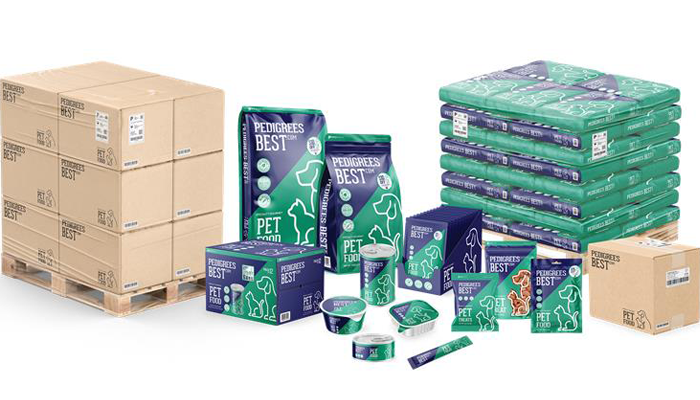
Sustainability, premiumization, and convenience continue to reshape the pet care category, but for manufacturers, these trends don’t stop at the package design stage. They show up on the plant floor, influencing equipment selection, line performance, and operational decision‑making. As pet food brands adapt to changing consumer expectations, packaging teams are increasingly tasked with translating marketing and sustainability goals into reliable, repeatable production outcomes.
According to Petfood Industry, pet care packaging trends for 2025 and beyond are being driven largely by sustainability expectations, with brands moving toward recycle‑ready materials, post‑consumer recycled (PCR) content, and mono‑material structures. While these shifts support circularity goals, they also introduce new variables into sealing performance, material handling, and line efficiency.
Sustainability Claims and Their Operational Implications
Sustainability is no longer a differentiator in pet care, but an expectation. Recyclable mono‑material films and lighter‑weight structures are gaining traction as brands respond to regulatory pressure and consumer demand. On the plant floor, however, these materials often behave differently than traditional multi‑layer laminates.
Operators frequently report narrower sealing windows, increased sensitivity to heat and tension, and greater variability at higher speeds. These changes can impact throughput and scrap rates if not addressed early in the packaging line design process. What appears to be a straightforward material swap on paper can require adjustments to sealing technology, temperature control, and quality inspection practices to maintain performance.
Premiumization Drives Complexity
Pet owners increasingly view pets as family members, fueling demand for premium, fresh, and functional pet food products. Industry analysis shows continued growth in premium pet food packaging, including higher‑barrier films, resealable features, and enhanced graphics designed to reinforce quality and freshness claims.
From a manufacturing standpoint, premium packaging often brings tighter tolerances and more complex package structures. Resealable closures, heavier‑gauge films, and specialty formats can introduce additional challenges for forming, filling, and sealing operations. These features may also impact downstream processes such as cartoning, case packing, and palletizing, particularly when package rigidity or consistency varies between SKUs.
For premium pouch formats, horizontal form fill seal and pre‑made pouch systems from ProMach Flexibles & Trays Solutions are widely used in pet care applications to handle higher‑barrier films, zippers, and specialty features while supporting precise filling and consistent sealing. These systems allow manufacturers to maintain package quality without sacrificing operational efficiency.
New Pack Formats and Line Flexibility
Beyond materials, pet care packaging formats continue to diversify. Stand‑up pouches, smaller portion sizes, and single‑serve options are becoming more common as brands target convenience and freshness. According to International Pet Food, smaller pack sizes and new formats are gaining momentum alongside e‑commerce growth and changing consumption habits.
For packaging operations, this trend translates into more frequent changeovers, shorter production runs, and increased demand for flexible equipment. Lines designed around a narrow range of package sizes may struggle to keep pace as SKU counts rise. As a result, manufacturers are placing greater emphasis on modularity, quick‑change tooling, and packaging systems that can adapt without extensive downtime.
Shelf Life, Freshness, and Quality Control
Fresh and refrigerated pet food categories are also influencing packaging requirements. These products rely heavily on packaging to protect nutritional integrity and extend shelf life, making seal quality and package consistency critical. High‑barrier materials and advanced sealing technologies play a central role, but they also raise the bar for quality control on the line.
Even small variations in material thickness or sealing conditions can lead to leaks or reduced shelf life, creating challenges for high‑speed operations. Packaging teams are increasingly focused on inline inspection, seal verification, and process control to ensure performance keeps pace with product innovation.
Bridging Trend and Execution
Pet care packaging trends may originate in marketing, sustainability, or consumer research, but their success depends on execution at the plant level. The most effective operations are those that evaluate packaging changes not only for their market appeal, but for their real‑world impact on throughput, reliability, and long‑term scalability.
As pet care continues to evolve, manufacturers that align packaging strategy with operational realities will be better positioned to support growth without sacrificing efficiency or quality. On the plant floor, thoughtful packaging decisions remain a critical link between brand promise and finished product.