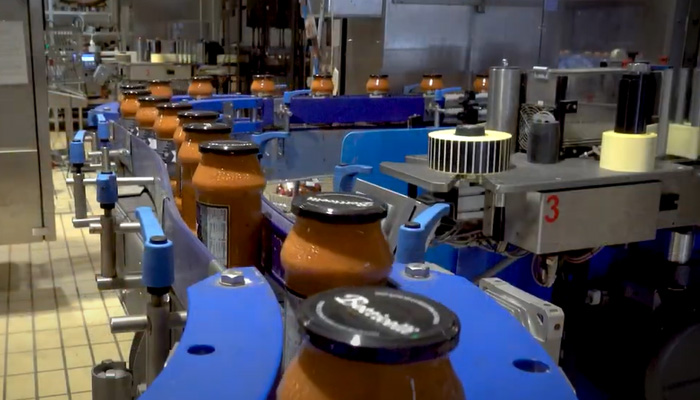
In today’s packaging environment, market shifts rarely arrive as abstract forecasts. They surface first in conversations—questions from brand owners, concerns from operations teams, and early signals shared by processors navigating change in real time. For vertical market teams embedded in liquid foods, ready‑to‑drink (RTD), pet care, and wine and spirits, these signals provide an early view into how packaging line requirements are evolving.
Across industries, one message is consistent: packaging lines must do more, with greater flexibility, while maintaining performance, quality, and compliance. According to PMMI, manufacturers are increasingly prioritizing adaptable, efficient operations to manage SKU proliferation, labor challenges, and sustainability expectations without sacrificing throughput or reliability. [prnewswire.com]
From Market Trend to Line Reality
Consumer trends often begin as marketing or portfolio discussions, but their impact is ultimately felt on the plant floor. As PMMI research highlights, packaging and processing investments are increasingly shaped by the need to balance flexibility with operational efficiency, particularly as product variety expands and run lengths shorten. [dairyprocessing.com]
For vertical market teams, translating these pressures into packaging requirements means asking practical questions early: How often will formats change? What tolerances must be maintained at higher speeds? Where are sanitation, material handling, or end‑of‑line constraints likely to surface?
Ready‑to‑Drink: Speed Meets Variety
RTD beverages continue to expand across formats, flavors, and functional claims. Industry reporting shows growth in shelf‑stable, single‑serve, and sustainable RTD packaging, all of which place new demands on packaging lines to accommodate frequent changeovers and diverse container types. [thepackagi…server.com]
From a packaging perspective, this means designing lines that can support high speeds while remaining flexible enough to handle multiple materials, pack configurations, and labeling requirements. Vertical teams often hear first when line changeovers begin to impact uptime or when packaging complexity outpaces legacy equipment capabilities.
Liquid Foods: Hygiene and Consistency Take Center Stage
In liquid foods, market trends such as clean‑label formulations and reduced preservatives have elevated the importance of hygienic design and consistent package integrity. PMMI notes that manufacturers are increasingly focused on sanitation‑friendly equipment and designs that minimize downtime while supporting food safety objectives. [dairyprocessing.com]
For packaging lines, this translates into tighter tolerances, thoughtful material selection, and equipment layouts that support effective cleaning without compromising productivity. These requirements often surface early through operational feedback—where sanitation time, changeover complexity, or product loss become limiting factors.
Pet Care: Sustainability with Operational Implications
Pet care packaging is undergoing a noticeable shift toward recycle‑ready materials and premium formats, driven by both consumer expectations and regulatory pressure. Packaging industry analysis shows increased adoption of mono‑material films and sustainable structures, which can introduce new sealing, handling, and durability considerations on packaging lines. [petfoodindustry.com]
Vertical market teams frequently hear these challenges first when new materials behave differently at speed or require adjustments to existing line configurations. The takeaway is clear: sustainability decisions must be evaluated not only for market appeal, but for their operational impact.
Wine and Spirits: Premiumization at Scale
Wine and spirits continue to see premiumization influence packaging design, with brands investing in distinctive containers, closures, and decoration to stand out. Industry analysis shows that premium packaging often brings tighter tolerances and increased complexity, especially as producers scale limited runs or expand portfolios. [emotio-des…roup.co.uk]
Packaging lines must balance aesthetic goals with manufacturability, ensuring that premium presentation does not compromise efficiency or quality. Vertical teams play a critical role in bridging that gap—translating brand intent into realistic line requirements.
Listening First, Designing Smarter
Across markets, the common thread is translation. Vertical market teams hear the early signals—long before they appear in industry reports—and help convert them into actionable packaging strategies. By grounding market trends in operational realities, manufacturers are better positioned to design packaging lines that are resilient, adaptable, and ready for what comes next.
In a landscape defined by constant change, the ability to listen early and plan thoughtfully is becoming one of the most valuable capabilities in packaging.