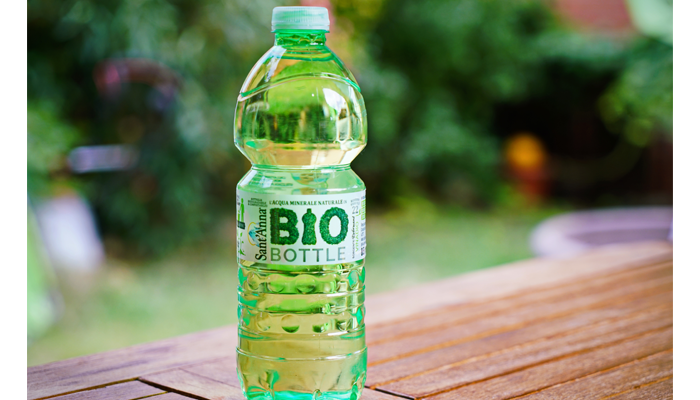
The packaging industry is standing at the forefront of a major sustainability revolution. Bioplastics, materials derived from renewable resources such as plants, are projected to nearly double in global production capacity by 2030. This growth signals a pivotal moment for brands, manufacturers, and consumers alike, as the demand for eco-friendly solutions accelerates.
The Growth Trajectory
Current estimates show bioplastics represent a small fraction of the overall plastics market, but their expansion is undeniable. Industry forecasts predict production capacity will climb from just over two million tonnes (2.2 million tons) today to nearly five million tonnes (5.5 million tons) by the end of the decade. While this is still modest compared to the hundreds of millions of tonnes of conventional plastics produced annually, the upward trend reflects a clear shift toward sustainable alternatives.
In a recent article on Packaging World, Anne Marie Mohan reports on the 2025 European Bioplastics Conference (EBC25) held in Berlin, where European Bioplastics Managing Director Hasso von Pogrell shared new market figures. These insights, part of the “Bioplastics Market Development Update 2025” prepared by nova-Institut, confirm strong, sustained growth in global bioplastics production and reaffirm packaging’s central role in driving that expansion. The data illustrates an industry on track to nearly double its production capacity over the next five years, a clear signal that bioplastics are moving from niche to mainstream.
Why Packaging Is Leading
Packaging applications dominate bioplastics usage, accounting for the largest share of demand worldwide. This leadership position is no surprise. Packaging is often the most visible component of a product and a key driver of consumer perception. From food containers to flexible films, brands are increasingly turning to bio-based materials to reduce carbon footprints and meet sustainability commitments.
Several factors explain why packaging is spearheading this movement:
- Regulatory Pressure: Governments are tightening restrictions on single-use plastics, creating incentives for bio-based solutions.
- Consumer Expectations: Shoppers are more eco-conscious than ever and favor products with sustainable packaging.
- Brand Differentiation: Companies see bioplastics as a way to stand out in competitive markets while aligning with ESG goals.
Innovation Driving Adoption
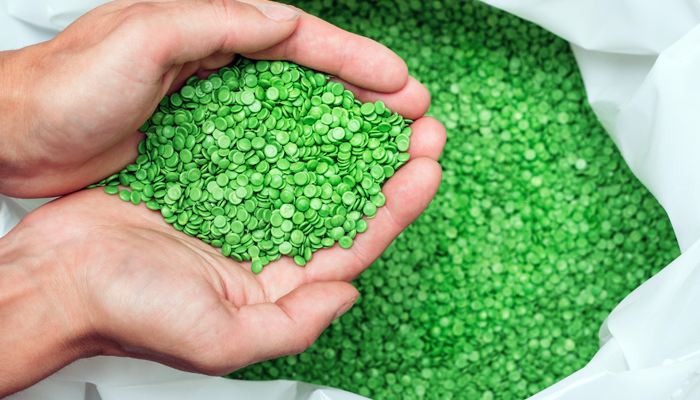
Advances in polymer technology are making bioplastics more versatile and cost-effective. Materials such as polylactic acid (PLA), polyhydroxyalkanoates (PHA), and bio-based PET are improving in durability, heat resistance, and barrier properties. These enhancements allow bioplastics to compete with traditional plastics in demanding applications, from food preservation to e-commerce packaging.
Moreover, the industry is exploring blends and coatings that enhance performance without compromising compostability or recyclability. This innovation is critical for scaling adoption across diverse packaging formats.
Challenges on the Horizon
Despite the optimistic outlook, challenges remain. Production costs for bioplastics are still higher than those for petroleum-based plastics, which can deter widespread adoption. Supply chain limitations and uneven global infrastructure for composting and recycling also pose hurdles. However, as economies of scale improve and technology advances, these barriers are expected to diminish.
Another consideration is the balance between biodegradability and recyclability. Not all bioplastics are compostable, and some bio-based materials behave similarly to conventional plastics in waste streams. Clear labeling and consumer education will be essential to ensure proper disposal and maximize environmental benefits.
What This Means for Packaging Professionals
For packaging designers, converters, and brand managers, the message is clear: bioplastics are no longer a niche solution; they are becoming a mainstream option. Early adopters will gain a competitive edge, not only by meeting regulatory requirements but also by appealing to sustainability-minded consumers.
Investing in bioplastics today positions companies for success in a future where circularity and carbon reduction are non-negotiable. Collaboration across the value chain, from resin producers to recyclers, will be key to unlocking the full potential of these materials.
The Bottom Line
The next five years will be transformative for packaging. As bioplastics production scales and innovation accelerates, the industry has an opportunity to lead the charge toward a more sustainable future. For those ready to embrace change, the time to act is now.