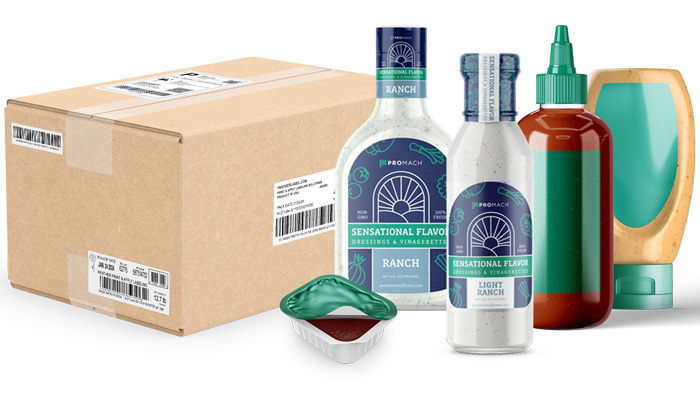
Convenience is a huge component of how food gets packaged aisle, but today’s shoppers aren’t just looking for speed, they want gourmet flavor and ingredient transparency without sacrificing the ease of a quick meal. That shift has pushed sauces, marinades, and ready-to-use culinary bases into a new era. Premium has officially gone mainstream, and packaging plays a central role in how consumers judge quality.
Across retail, refrigerated, and shelf-stable categories, the fastest-growing sauce brands are those that combine artisanal appeal with convenience. As the “convenient gourmet” movement accelerates, manufacturers are rethinking packaging formats, processing methods, and sustainability commitments to meet expectations for quality and safety.
A New Kind of Home Cooking
The rise of gourmet convenience is deeply tied to changing behavioral patterns in the kitchen:
- More consumers cook at home but they want shortcuts without compromising flavor. Mintel reports that nearly 60% of U.S. adults now rely on sauces and cooking bases to elevate simple meals.
- Global flavors continue to trend, with consumers seeking restaurant-inspired profiles that feel adventurous but accessible.
- Time remains important, and sauces offer a quick way to transform proteins, grains, or vegetables into a complete meal.
For younger consumers, especially, sauces have become the gateway to “feel-good cooking,” the kind that requires minimal effort but still delivers a sense of accomplishment. Packaging determines whether those products feel premium and fresh.
Packaging as an Indicator of Quality
In a crowded sauce aisle, packaging is the first and often most influential signal of quality. Today’s consumers expect:
1. Fresh-Looking, High-Integrity Packaging
Clear films, clean lines, and modern graphics immediately signal freshness. Rigid and flexible formats each deliver different visual expectations. Rigid bottles traditionally convey heritage and reliability. Pouches communicate modernity, sustainability, and portion control. Cups and thermoformed trays are gaining traction in refrigerated sections for dips and high-end sauces.
2. Shelf Stability Without Compromise
Premium sauces rely on methods such as retorting, aseptic filling, and hot fill to maintain flavor and safety without loading up preservatives. As food safety expectations grow, packaging must protect product integrity throughout the supply chain. A well-designed package is the difference between a product that reaches consumers tasting “fresh” versus one that feels mass-produced.
3. Easy-to-Use Formats
One-handed openings, spouts and fitments, portionable cups, squeeze bottles, and stand-up pouches have become essential. If a consumer can’t open, pour, or reseal a product seamlessly, it doesn’t matter how gourmet it is.
4. Sustainability Without Sacrifice
More than ever, shoppers expect premium foods to reflect sustainable values—but not at the expense of functionality. Lightweighting, recyclable materials, and refill formats are becoming major decision drivers, especially for sauces positioned as natural or craft.
Why This Matters
The demand for convenient gourmet sauces creates both opportunities and challenges for processors and packaging teams:
- Skus are proliferating. Brands are expanding into new flavor profiles, heat levels, ethnic inspirations, and dietary niches like keto, plant-based, or sugar-free. Packaging lines must handle more changeovers and flexibility.
- Quality control must remain airtight. Premium sauces often contain particulates, unique viscosities, or delicate emulsions that require precise filling technologies.
- Speed and efficiency still matter. Even with premium positioning, brands need reliable throughput to remain competitive.
- Packaging must support storytelling. Whether glass, pouch, or cup, the package must communicate premium quality and culinary craft.
Where Integrated Solutions Make a Difference
The shift toward gourmet convenience is driving processors to explore integrated, end-to-end packaging solutions rather than piecing together equipment from multiple suppliers. Systems that link processing, filling, capping, labeling, coding, inspection, and end-of-line automation ensure a cohesive result, both aesthetically and functionally.
Interactive tools, like virtual packaging line animations for liquid foods like dressings, help manufacturers visualize what a flexible, efficient solution can look like in practice. These digital resources are becoming invaluable as brands innovate quickly and evaluate multiple format options.
Premium Is the New Standard
We believe the movement toward convenient gourmet is a permanent shift in how consumers define quality. They expect premium flavors, restaurant-worthy finishes, and convenient packaging that helps them cook confidently at home.
For brands willing to invest in the right packaging and processing strategies, the payoff is significant: stronger shelf presence, higher loyalty, and the ability to command premium price points in a highly competitive category.