From sauces and dressings to dairy, beverages, soups, and nutritional products, modern processors are managing increasingly complex portfolios, shorter runs, more SKUs, frequent changeovers, and tighter sustainability targets. Yet hidden between batches is a persistent source of inefficiency: residual product left behind in process piping.
For many facilities, this loss has long been accepted as the cost of doing business. Today, it’s increasingly viewed as an opportunity.
That shift is driving growing interest in product recovery systems, and it’s why Statco‑DSI, a ProMach brand and longtime leader in liquid process engineering, is seeing strong demand for integrated product recovery solutions across the liquid foods industry.
The Real Cost of Residual Product in Liquid Food Lines
In liquid food facilities, product loss doesn’t usually happen in obvious places. Instead, it accumulates quietly in pipelines during transfers between processing, storage, and packaging. Every time a line is flushed to prepare for CIP, sellable product is sent to drain, along with the water and chemicals required to push it out.
For operations running multiple recipes or allergen‑sensitive products, that loss multiplies quickly. Shorter production runs and SKU proliferation only compound the problem, increasing the number of cleanouts per shift or per day.
The result?
- Reduced yield
- Longer changeover times
- Higher cleaning and wastewater costs
- Increased environmental impact
In an industry where margins are under constant pressure and sustainability is no longer optional, these inefficiencies directly affect profitability and brand performance.
Product Recovery: From Waste Reduction to Operational Strategy
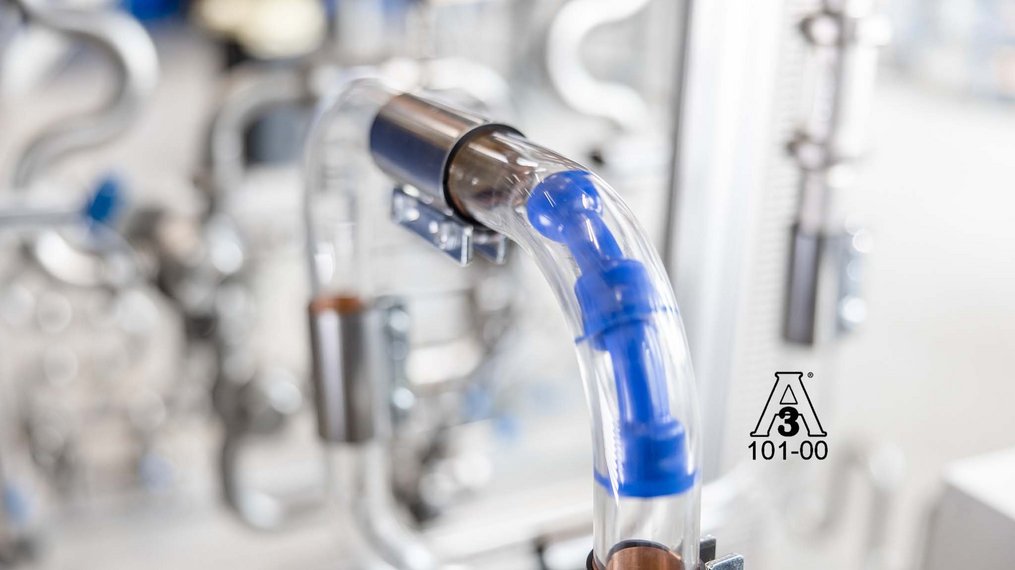
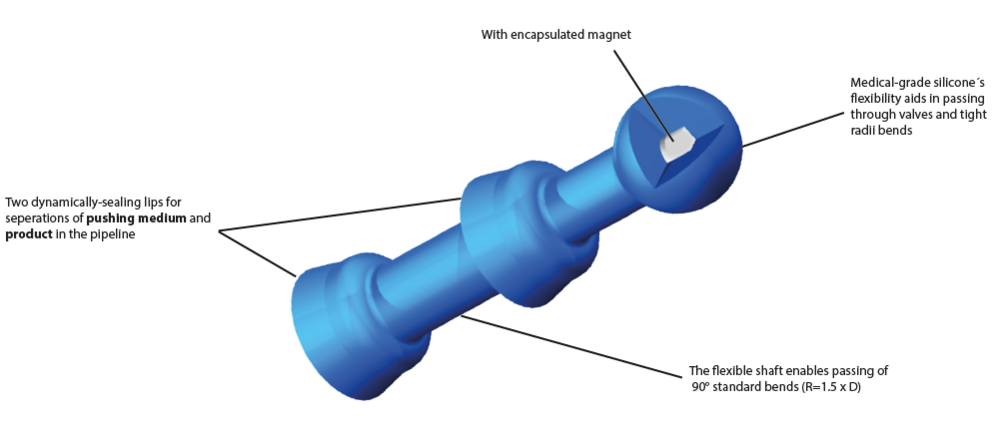
Product recovery systems are designed to reclaim residual liquid or semi‑liquid product before CIP begins. Technologies such as pigging systems, air blow solutions, and controlled water pushes mechanically remove product from pipelines, recovering material that would otherwise be lost.
For liquid food processors, this approach delivers two critical outcomes simultaneously:
- Increased product yield, often recovering a meaningful percentage of finished product per batch
- Cleaner pipelines before CIP, reducing the time, water, and chemicals required to achieve hygienic conditions
Rather than viewing recovery as an add‑on, many manufacturers are now treating it as a core component of line design, particularly for high‑value, viscous, or allergen‑sensitive products.
Why This Matters Across So Many Lines
What makes product recovery especially relevant is its broad applicability across product types and production models.
- Dairy processors benefit from faster changeovers between cultures, flavors, and fat contents while improving yield on premium products.
- Sauce, soup, and dressing manufacturers recover thick, high‑value products that are traditionally difficult to flush efficiently.
- Beverage and nutraceutical producers reduce water usage and speed transitions between formulations, sweeteners, or functional ingredients.
- Facilities serving multiple brands or private‑label customers gain flexibility, enabling shorter runs without sacrificing efficiency.
For co‑packers and high‑mix operations, this flexibility translates directly into competitive advantage, supporting responsiveness without inflating operating costs.
Statco‑DSI’s Engineered Approach to Product Recovery
What differentiates Statco‑DSI in this space is not just the availability of product recovery technology, but how it is engineered and integrated.
With decades of experience in hygienic process systems, Statco‑DSI approaches product recovery as part of the entire liquid food process, not as a standalone device. Their teams evaluate piping design, product characteristics, sanitation requirements, and operational goals to determine the most appropriate recovery strategy.
Options may include:
- Pigging systems with launch, catch, and pig‑cleaning stations
- Air‑driven or water‑push recovery methods
- Hygienic designs compliant with 3‑A sanitary standards
- Configurations that accommodate tight‑radius bends and existing pipelines
Because Statco‑DSI also designs and builds complete processing and packaging solutions, recovery systems can be seamlessly aligned with upstream blending and downstream filling, reducing integration risk, and maximizing performance.
Sustainability Gains That Align with Business Reality
Beyond yield and throughput, product recovery plays a growing role in sustainability initiatives. Reducing product waste, minimizing water usage, and lowering chemical consumption all contribute to measurable environmental improvements often without requiring additional floor space or major infrastructure changes.
For liquid food companies balancing ESG commitments with operational realities, product recovery offers a practical path forward: tangible sustainability gains backed by a strong return on investment.
Turning Complexity into Opportunity
As liquid food operations become more complex, the systems that support them must become smarter. Product recovery is no longer just about saving product it’s about enabling agility, protecting margins, and supporting long‑term growth in a fast‑changing market.
By combining deep process expertise, proven recovery technologies, and turnkey integration capabilities, Statco‑DSI is helping liquid food manufacturers turn what was once considered unavoidable loss into measurable operational advantage.
Click here to learn more about Statco-DSI technology and reach out to a product recovery expert